Film and graphics add to Best Design Awards mix
Otago Polytechnic’s School of Design is celebrating five of its ākonga selected as finalists for the 2026 Best Design Awards, alongside our previously-profiled Architecture students.
The annual Best Design Awards champions design excellence in Aotearoa across a range of areas including industrial design, digital, and graphics.
The national finals are being held in Auckland this Friday (9 October), and we’re recognising the range of OP projects being celebrated across the Student Animation, Film, and Graphics (Communication Design), plus Industrial Design (Product Design) categories this year.
Machiko Niimi, Head of the School of Design, was thrilled to see strong results coming through in the film category this year.
"Alongside our consistently strong Graphic and Product Design outcomes, these achievements are a recognition of the excellent creativity and talent of our students and the support of our experienced staff across a diverse range of design disciplines,” she said.
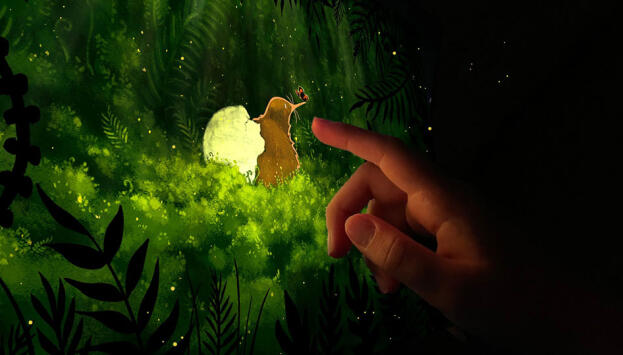
• Communication Design - Stella Caulton - Little Kiwi
Stella’s short film Little Kiwi is an entirely hand drawn frame-by-frame animation, primarily designed to foster an appreciation for the native wildlife of Aotearoa in young children. (She is continuing to work on expanding the piece into a longer 10 minute film).
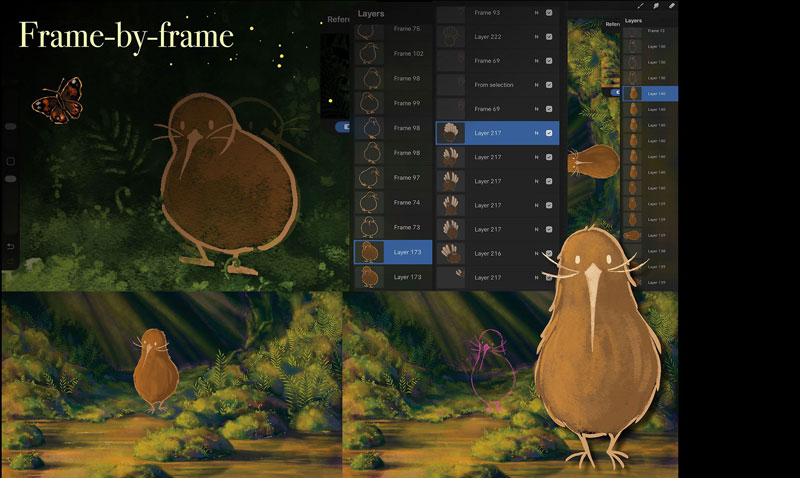
Inspired by her love for film, art and nature, Little Kiwi draws on her own childhood nostalgia, with her creative endeavours influenced by the magic of old animated films and growing up next to a forest full of native birds.
“This personal sentiment is something which I feel the need to share with the younger generations as there is a noticeable decline in the quality of mainstream media they consume.”
• Communication Design - Jessica McGeorge - The Power Mix
This documentary set in Ōtepoti's DJ scene seeks to amplify the voices of four local women: one stepping into production, one promoting her first gig, and a mentor guiding a newcomer. Their individual stories mark different milestones but together surface shared challenge.
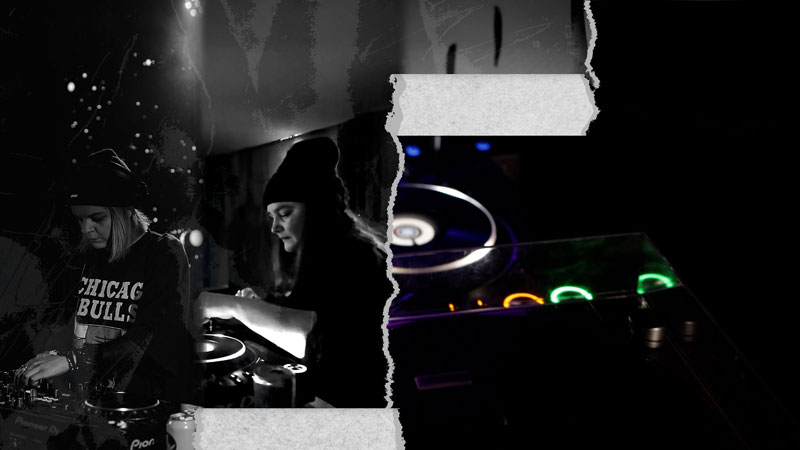
Jessica says women DJs in Aotearoa remain underrepresented, often booked to fill a diversity quota rather than recognised for their skill. The Power Mix was made to change that.
Visually, neon name cards, glitch-style treatment and high-energy club footage contrast with still and authentic interviews, mirroring each woman's on and off-stage self. The four stories are intercut rather than told sequentially, mirroring the film's message of collaboration over competition.
• Communication Design - Ash McFarlane - Stapled Noise
Stapled Noise is a not-for-profit publication capturing Ōtepoti’s current alternative music scene – printed for mass distribution across venues and cafes all over town and free to grab for anyone who stumbles upon it.
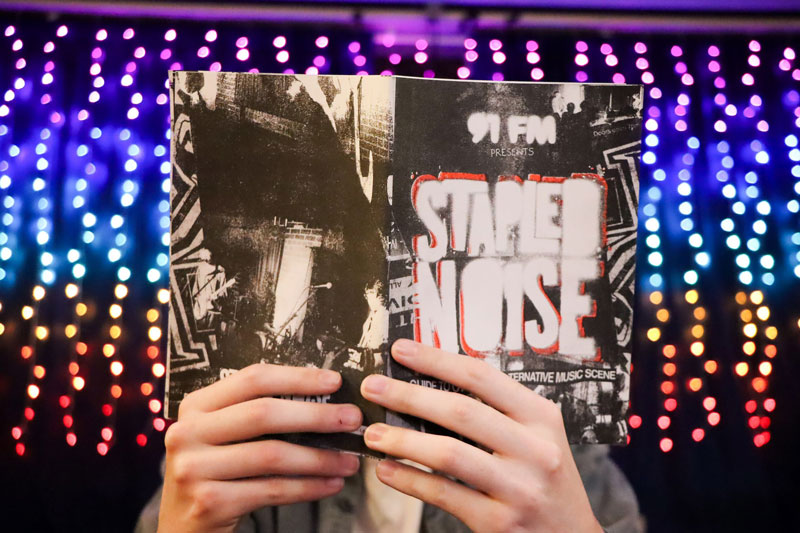
The DIY format reflects the values of the scene it documents, being independent, resourceful, and driven by passion rather than profit. This project actively uplifts and advocates for Ōtepoti's unique music scene with an ambition to make the scene more accessible for those interested in it.
Ash was inspired to make this from a reflection of my experience getting involved in this scene. Inspired by DIY zines, gig posters, and the local bands themselves, Stapled Noise is designed to feel like an authentic extension of the culture it represents.
• Communication Design - Eloise McIver, Sophie Broadley - Workbook magazine
Workbook is an unfiltered, authentic student-led magazine aimed at capturing the energy and stories of Otago Polytechnic School of Design students.
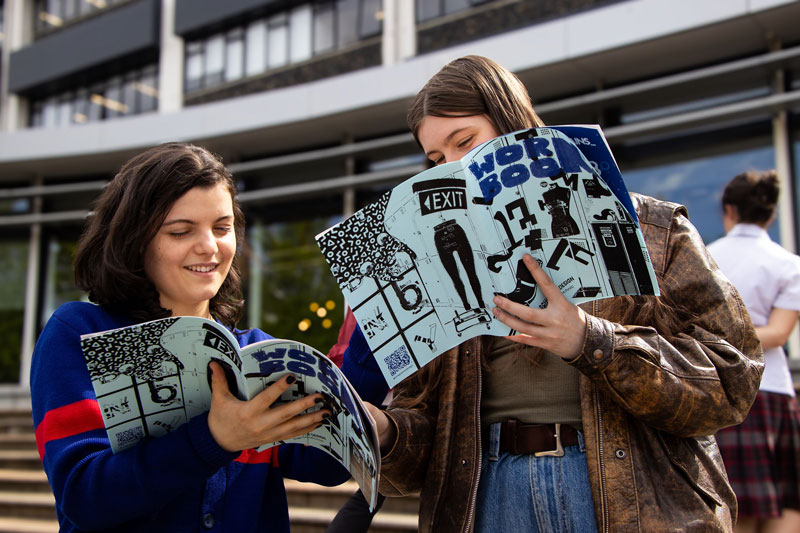
Eloise and Sophie’s hope in developing the publication was to create a space for our amazing designers to share and connect.
The experimental, evolving, student-led magazine, was produced entirely within our inhouse print studio. It contains interviews, showcases work, and shares knowledge with an aim of highlighting student voices and building the local design community.
• Product Design - Janiqua McCarthy - Axis Hip Box
Janiqua developed this project for Evolve Outdoors, as part of a client brief exploring opportunities within the company’s Desolve fishing range.
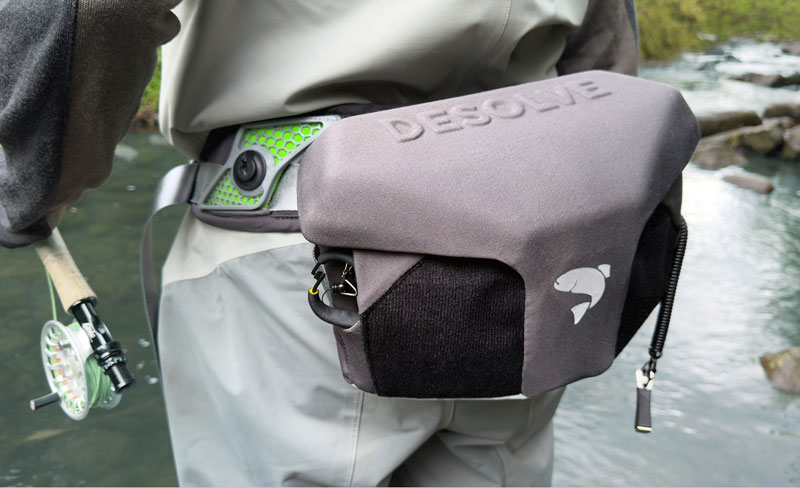
As a woman and recreational fly fisher, she often found the gear she wanted was available only in men's sizes, while women's versions were simplified, stripped of features or recoloured pink.
In response she designed the Axis Hip Pack, a modular carrying system that moves equipment from the chest to the hips. An ergonomic belt developed specifically for women supports comfort and fit, while interchangeable attachments allow the system to be configured for different fishing styles, locations and equipment needs.
Published on 5 Oct 2026
Orderdate: 5 Oct 2026
Expiry: 5 Oct 2028
related
Film and graphics add to Best Design Awards mix
Otago Polytechnic’s School of Design is celebrating five of its ākonga selected as finalists for the 2026 Best Design Awards, alongside our previously-profil...
A real taste of Food Design learning
Along with inspiring the guests and giving them a taste of culinary arts studies at OP, the school students and their teachers were treated to a special dinner...
Calling all singers/musicians
We would love to have some live music at the Living Campus Market at the Hub (Forth Street) on October 14 between 11am and 4pm - if this sounds like something y...